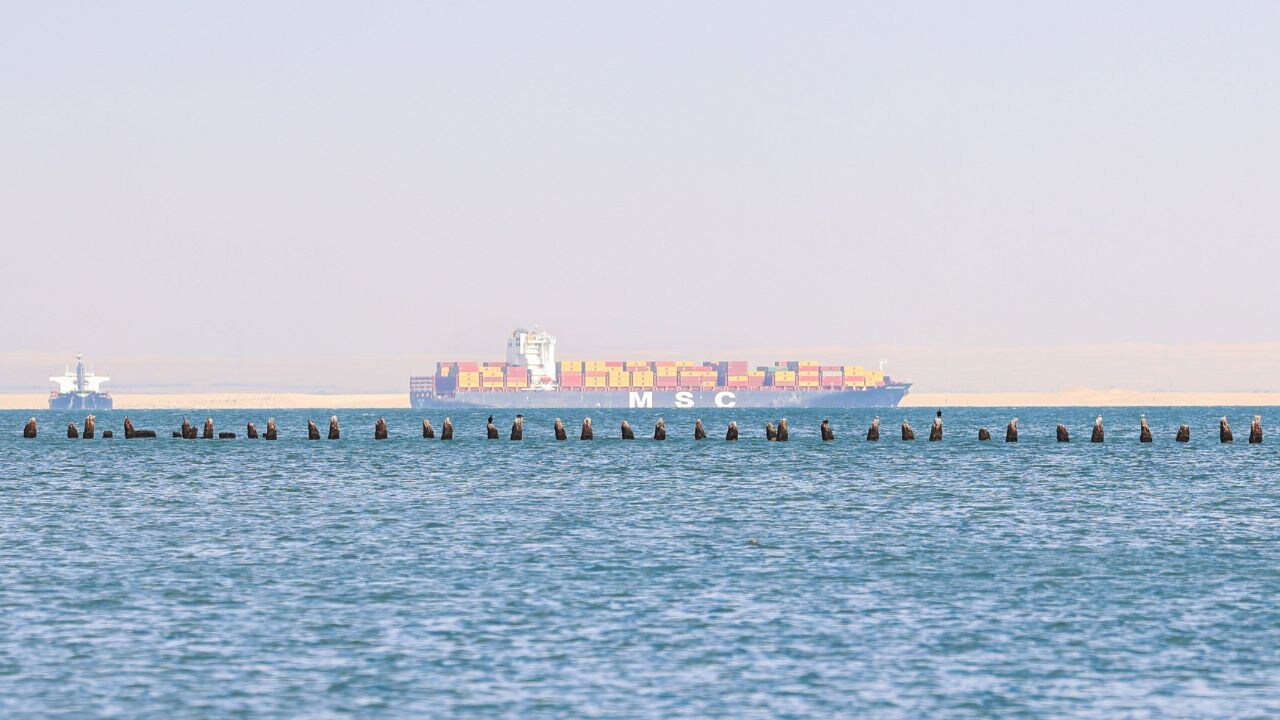
Global energy markets are experiencing renewed volatility as tensions in and around the Red Sea disrupt one of the world’s most critical shipping corridors. Concerns over vessel safety have led several shipping companies to reroute oil tankers, increasing transit times and operational costs. These developments have had an immediate impact on crude oil prices, with traders reacting swiftly to uncertainty.
Industry experts warn that prolonged disruptions could affect global fuel prices, particularly in energy-importing nations across Europe and Asia. Insurance premiums for vessels navigating the region have risen, adding further pressure to supply chains already strained by geopolitical risks and inflationary trends.
Gulf producers, however, remain cautiously optimistic. Officials point to strategic petroleum reserves, diversified export routes, and coordinated responses among major producers as safeguards against severe supply shocks. Energy analysts note that while short-term price fluctuations are likely, a full-scale crisis remains unlikely unless disruptions intensify.
The situation underscores the fragile balance of global energy security, where geopolitical developments in a single region can ripple across markets worldwide. As diplomatic efforts continue, markets remain watchful, aware that stability in key maritime routes is essential to global economic confidence.
Views: 224